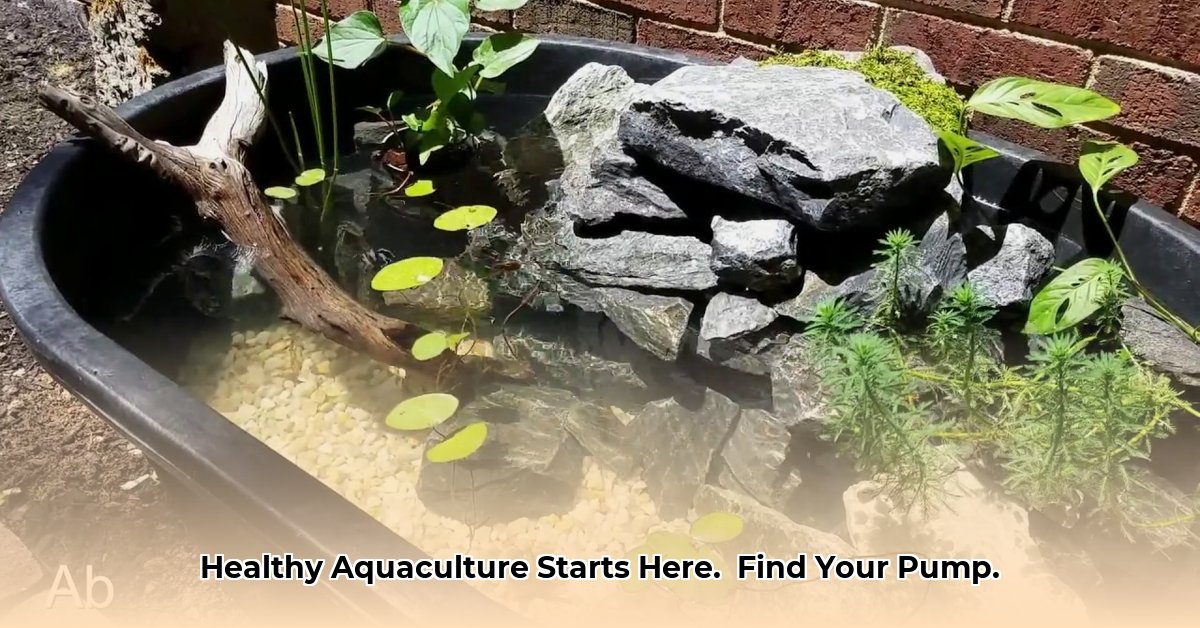
Maintaining a healthy pond ecosystem requires careful consideration of many factors, and choosing the right pond pump is paramount. A well-selected pump ensures proper water circulation, aeration, and filtration, leading to thriving aquatic life and a beautiful pond. Tractor Supply offers a wide variety of pond pumps, but navigating the options can be challenging. For more pump options, check out Tractor Supply pumps. This guide provides a step-by-step approach to selecting the ideal pump for your needs, focusing on energy efficiency and sustainable aquaculture practices.
Key Factors to Consider When Choosing a Pond Pump
Before you begin shopping, carefully assess your pond and its specific requirements. Several key factors influence your pump selection:
Pond Size and Depth: Accurate measurements of your pond's length, width, and depth are essential for calculating its volume. Larger, deeper ponds require more powerful pumps. Online calculators can simplify this process.
Desired Fish Species (if any): The type and number of fish significantly impact your pump choice. Different species have varying oxygen and water quality requirements. Koi, for instance, require more powerful pumps than goldfish.
Budget: Pond pumps range in price, reflecting their power, features, and energy efficiency. Establish a realistic budget, considering both the initial cost and long-term energy consumption. Energy-efficient pumps may have a higher upfront cost but save money over time on electricity bills. Don't forget to factor in potential maintenance costs as well.
Energy Efficiency: Energy-efficient pumps are vital for reducing your environmental impact and lowering operating costs. Look for pumps with high Energy Star ratings or comparable certifications, as they will translate to lower electricity bills in the long run.
Desired Features: Consider additional features, such as adjustable flow rates, self-priming capabilities (for easier starting), and easy-to-clean components, to simplify your pond maintenance.
Understanding the Different Types of Pond Pumps
Tractor Supply offers various pond pump types, each with its own advantages and disadvantages:
Submersible Pumps: Designed to be placed directly in the pond water, these pumps are typically quieter and easier to install. However, they may be less powerful and more susceptible to damage from debris.
External Pumps: These pumps are located outside the pond, providing easier access for maintenance and repairs. They generally offer higher flow rates and longer lifespans but can be noisier and require more complex plumbing setups.
Did you know? A properly sized and maintained pond pump can increase the lifespan of your pond ecosystem by up to 30%, improving the health of your fish and plants.
Choosing the Right Pond Pump: A Step-by-Step Guide
Selecting the perfect pump involves a methodical approach:
Measure Your Pond: Accurately measure the length, width, and depth of your pond. Several online resources can guide you through this process effectively.
Calculate Your Pond's Volume: Use an online pond volume calculator (easily found with a quick web search) to determine the total gallons of water. This is crucial for determining the necessary GPH (gallons per hour).
Determine Your GPH Requirements: This depends on your pond size and the desired applications (aeration, filtration, water features). A general rule of thumb is to circulate the total volume every 1-2 hours, but this varies depending on the species and size of fish in your pond.
Evaluate Head Height: The "head height" is the vertical distance the pump must lift the water; consider any waterfalls or fountains.
Browse Tractor Supply's Selection: Compare pumps available at Tractor Supply based on GPH, power consumption (watts), and price. Consider this comprehensive evaluation to make an informed purchase.
Compare Features and Specifications: Look for features like adjustable flow rates, self-priming capabilities, and ease of maintenance. A more expensive pump's advanced features may translate to lower maintenance costs over time.
Factor in Long-Term Costs: Don't solely focus on the initial purchase price. Consider the pump's energy consumption; a more efficient pump will save money on electricity bills in the long run.
Make Your Informed Choice: Select the pump that best meets your needs, budget, and long-term goals.
Tractor Supply Pond Pump Comparison Table (Example)
| Model | GPH | Wattage | Estimated Annual Energy Cost* | Features | Price Range |
|---|---|---|---|---|---|
| Submersible Model A | 500 | 30 | \$10 - \$20 | Quiet, easy installation | \$40 - \$60 |
| External Model B | 1000 | 60 | \$20 - \$40 | High flow, easy maintenance | \$80 - \$120 |
| Submersible Model C | 1500 | 100 | \$30 - \$60 | High flow, energy-efficient | \$150 - \$200 |
*Estimated costs are based on an average electricity price of \$0.15/kWh and annual usage. Actual costs may vary.
Installation, Maintenance, and Troubleshooting
Proper installation is crucial for optimal pump performance and longevity. Always follow the manufacturer's instructions. Regular maintenance, including cleaning debris from the intake and impeller, is essential for maximizing lifespan and energy efficiency.
Common pump problems and solutions include:
- Pump Won't Start: Check power supply, fuses, and ensure the impeller isn't clogged.
- Reduced Flow: Clean the impeller and check for blockages in the intake.
- Loud Noises: Check for debris in the impeller or worn components—consider replacing worn parts.
Choosing the right pond pump is an investment in a healthy, sustainable pond ecosystem. By carefully considering the factors outlined in this guide and utilizing the resources available at Tractor Supply, you can ensure your pond thrives for years to come. Remember, a properly maintained pond is a beautiful and ecologically beneficial addition to your property.